
WEDGE AND HEAD AND SHOULDERS CHARTS PATTERNS
Content
This pattern is first formed when the market draws one bottom after which an increase movement is initiated, followed by the forming of a second bottom. The top that is found between the two bottoms forms a significant resistance level. The target of a falling wedge breakout can be calculated by adding the height of the widest part of the wedge to the breakout zone. Alternatively, you can practise trading wedges with a cost-free City Index demo account. Any opinions, news, research, analyses, prices or other information contained on this website is provided as general market commentary and does not constitute investment advice.
A good way to read this price action is to ask yourself if the effort to make new highs matches the result. A falling wedge pattern meaning is generally considered bullish and is usually found in uptrends. This pattern is marked by a series of lower tops and lower bottoms. A rising wedge is generally considered bearish and is usually found in downtrends. They can be found in uptrends too, but would still generally be regarded as bearish. Rising wedges put in a series of higher tops and higher bottoms.
Option Trading
Rising Wedge- On the left upper side of the chart, you can see a rising wedge. Rising wedges usually form during an uptrend and it is denoted by the formation higher highs and Higher… The falling wedge pattern is a technical formation that signals the end of the consolidation phase that facilitated a pull back lower. As outlined earlier, falling wedges can be both a reversal and continuation pattern. In essence, both continuation and reversal scenarios are inherently bullish. The falling wedge pattern occurs when the asset’s price is moving in an overall bullish trend before the price action corrects lower.
- Falling wedges have a failure rate of 26 percent based on 800 trades conducted by Tom Bulkowski over multiple years and documented in his book The Encyclopedia of Chart Patterns.
- Nonetheless, regardless of the market condition, you always need to find the same pattern formation and follow the same rules when using this pattern to predict future price movements.
- Wedge patterns are typically reversal patterns that can be either bearish – a rising wedge – or bullish – a falling wedge.
- The price objective is determined by the highest point that caused the wedge to form.
- TrendSpider and FinViz enable complete market scanning for falling wedges.
Trade 5,500+ global markets including 80+ forex pairs, thousands of shares, popular cryptocurrencies and more. Planning trade execution based on the appearance of the Falling Wedge pattern can be done in a simple way. Even novice traders can use it as long as they follow the exact trading steps.
What is the failure rate of the falling wedge?
This first step can be done on all types of Crypto Pairs and Timeframes, but it is recommended to learn on Major Pairs and Hourly to Daily Timeframes first until you get used to it. HowToTrade.com helps traders of all levels learn how to trade the financial markets. Falling wedge patterns usually imply an impending increase in price.
Traders can make bearish trades after the breakout by selling the security short or using derivatives such as futures or options, depending on the security being charted. These trades would seek to profit on the potential that prices will fall. Although many newbie traders confuse wedges with triangles, rising and falling wedge patterns are easily distinguishable from other chart patterns. They are also known as a descending wedge pattern and ascending wedge pattern. Rising and falling wedges are a technical chart pattern used to predict trend continuations and trend reversals.
What is the rising wedge pattern?
When the support level is broken by the market, a sell signal is generated with a higher probability that the market will lose value. The breaking of the support level defines the entry level for the trader. This pattern https://xcritical.com/ is first formed when the market draws one top after which a corrective movement is initiated, followed by the forming of a second top. The bottom that is found between the two tops forms a significant support level.
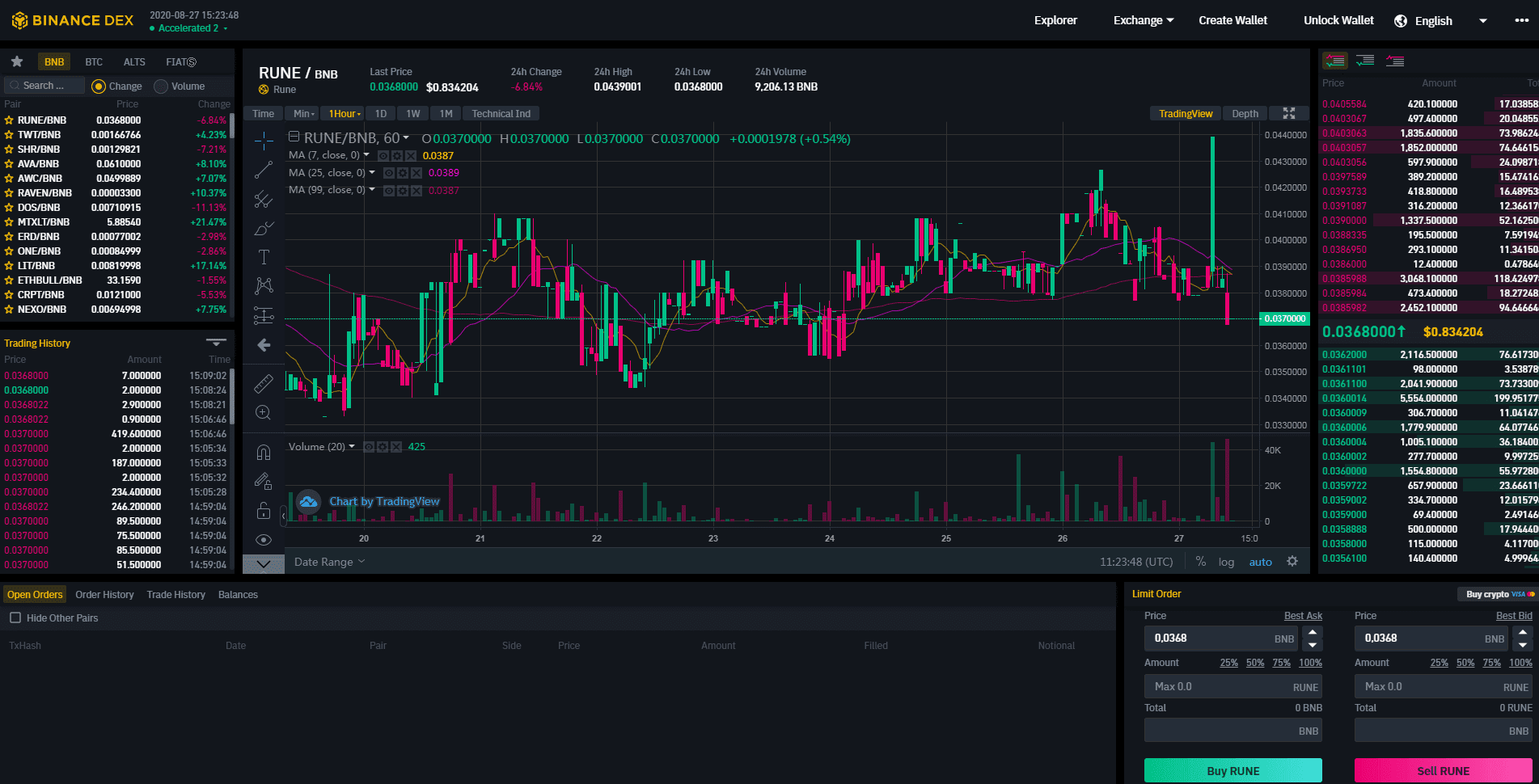
Nonetheless, regardless of the market condition, you always need to find the same pattern formation and follow the same rules when using this pattern to predict future price movements. The double bottom is also a trend reversal formation, but this time we are looking to go long instead of short. Remember that double tops are a trend reversal formation, so you’ll want to look for these after there is a strong uptrend.
Bear wedge pattern risk management
The price movement of the pattern consists of lower highs and lower lows, with prices generally trending downwards in a narrow range. The price breaks above the upper trendline and should continue rising as buyers take control. The breakout signals that bulls have taken control over bears and that the downside pressure has been broken.

There are two types of wedge patterns, which include falling and rising wedge. When the falling wedge breakout indeed occurs, there’s a buying opportunity and a sign of a potential trend reversal. Traders should set the approximate target stop loss level in a falling wedge at the point below the breakout of the wedge. The exact percentage stop loss depends on the price target expectations and the timeframe. A falling wedge is generally good for bullish traders 68% of the time, generating a 38% profit.
Trading the expanding wedge pattern
As you can see in the chart above, every time the price touches the main trend line and a falling wedge pattern appears – a buying opportunity emerges. The head and shoulders chart pattern is actually one of the hardest patterns for new traders to spot. However, with time and experience, this pattern can become an instrumental part of your trading arsenal.
Try a Demo Account
They will help you identify key take-profit and stop-loss levels. Interestingly, the bottom of the wedge happened at the 38.2% Fibonacci retracement level at around $120. Therefore, while the wedge is still being formed, there is a possibility that the Beyond Meat price will continue rising as bulls target the previous high of $167. The two wedges are usually seen as bullish and bearish, respectively. If the price breaks through the flag to the downside, there may be a large move down.